Archives
- 2026-09
- 2026-08
- 2026-07
- 2026-06
- 2026-05
- 2026-04
- 2026-03
- 2026-02
- 2026-01
- 2025-12
- 2025-11
- 2025-10
- 2025-09
- 2025-03
- 2025-02
- 2025-01
- 2024-12
- 2024-11
- 2024-10
- 2024-09
- 2024-08
- 2024-07
- 2024-06
- 2024-05
- 2024-04
- 2024-03
- 2024-02
- 2024-01
- 2023-12
- 2023-11
- 2023-10
- 2023-09
- 2023-08
- 2023-06
- 2023-05
- 2023-04
- 2023-03
- 2023-02
- 2023-01
- 2022-12
- 2022-11
- 2022-10
- 2022-09
- 2022-08
- 2022-07
- 2022-06
- 2022-05
- 2022-04
- 2022-03
- 2022-02
- 2022-01
-
ryanodine Mice lacking S nitrosoglutathione reductase GSNOR
2022-01-03
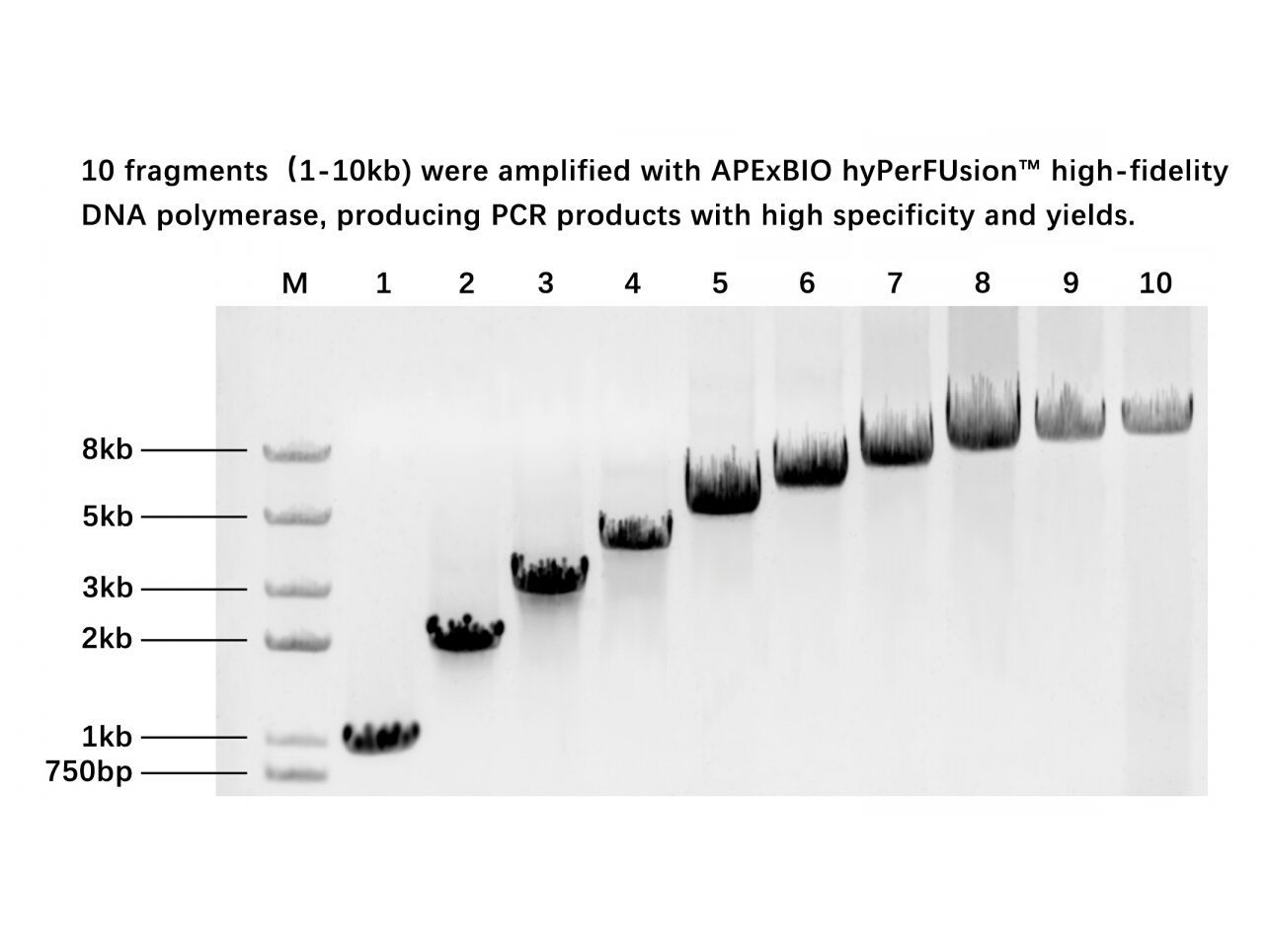
Mice lacking S-nitrosoglutathione reductase (GSNOR), a denitrosylase that regulates S-nitrosylation, have increased levels of S-nitrosoglutathione (GSNO) and exhibit nitrosative stress. GSNO is in equilibrium with protein S-nitrosylation in cells, and GSNOR controls the cellular concentration of pro
-
The combination of niacin with
2022-01-03
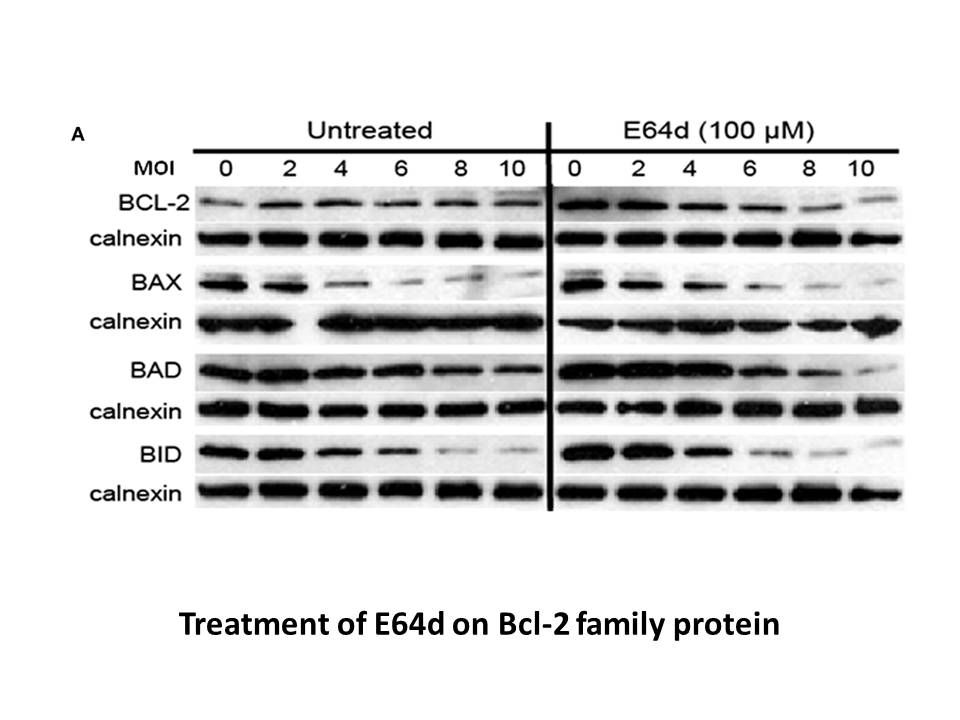
The combination of niacin with a selective PGD2 receptor antagonist laropiprant, designed to circumvent the flushing side effect of niacin, has been evaluated in the HPS2-THRIVE study and showed no clinically meaningful benefit when administered in patients on top of statin therapy [41]. Our data su
-
The mammalian AMPA receptor protein family comprises four su
2022-01-03
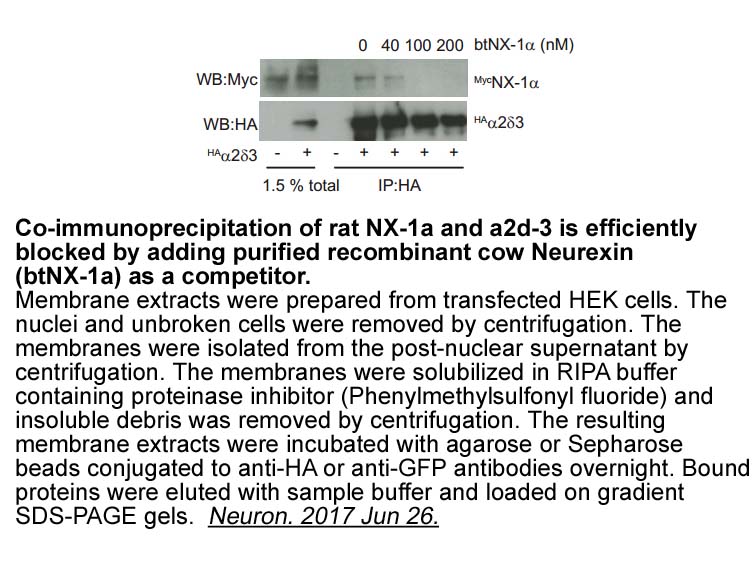
The mammalian AMPA receptor protein family comprises four subunits, termed GluR-A through GluR-D (or GluR1 through GluR4), which form hetero-tetrameric receptor complexes Dingledine et al. 1999, Rosenmund et al. 1998. These subunits possess distinctive intracellular C-terminal domains that can be gr
-
JP 1302 dihydrochloride PBI is an agonist of
2022-01-03
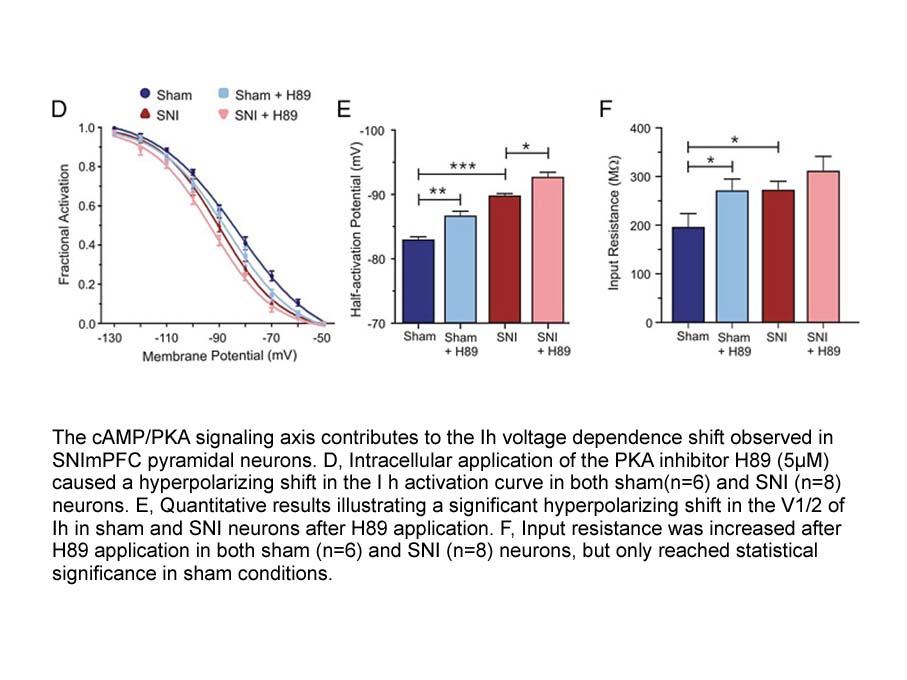
PBI-4050 is an agonist of GPR40 and acts as an antagonist or inverse agonist of GPR84. It cannot be excluded that other targets besides GPR40 and GPR84 could be implicated in the mechanism of action of PBI-4050 and could be explored in future studies. However, the present study, and in particular th
-
The mechanistic basis of a PAE induced reduction in HDC
2022-01-03
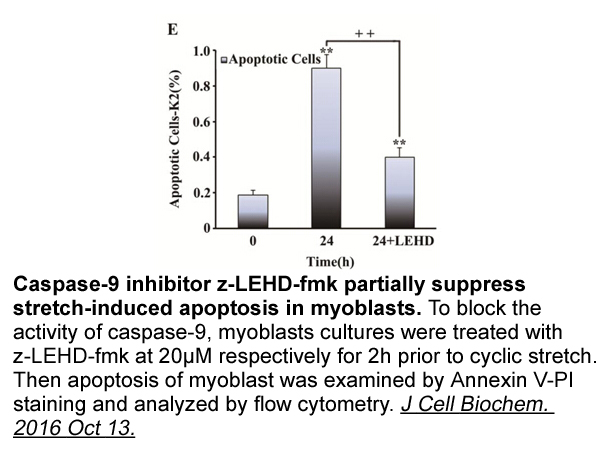
The mechanistic basis of a PAE-induced reduction in HDC isoform expression is unclear at present. These reductions may be a consequence of reduced histaminergic innervation of PAE-affected brain regions. Given that these three brain regions are anatomically more distant from the ventral hypothalamus
-
According to the experimental data HKI preferentially
2022-01-03
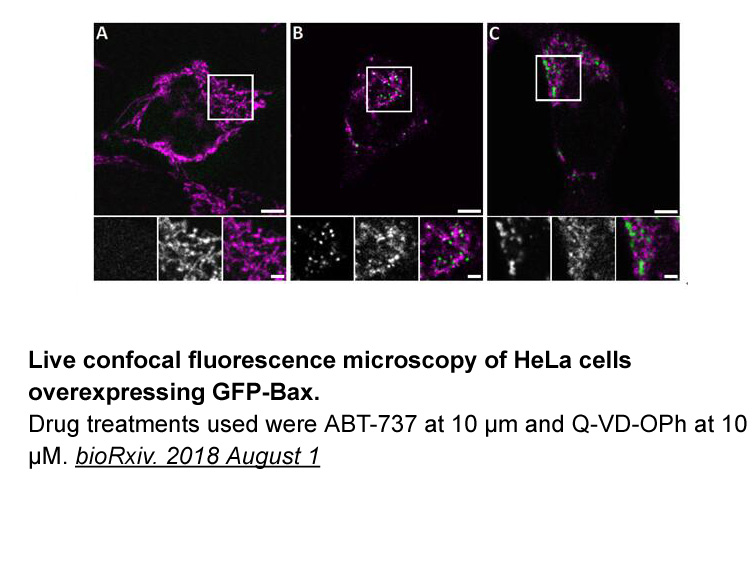
According to the experimental data, HKI preferentially binds to the mitochondrial inter-membrane contact sites formed by ANT and VDAC [[5], [6], [7],27], mainly via the VDAC1 isoform [7,8]. These electrogenic contact sites allow application of a part of IMP to MOM by transferring phosphoryl groups f
7956 records 531/531 page Previous First page 上5页 531