Archives
- 2026-09
- 2026-08
- 2026-07
- 2026-06
- 2026-05
- 2026-04
- 2026-03
- 2026-02
- 2026-01
- 2025-12
- 2025-11
- 2025-10
- 2025-09
- 2025-03
- 2025-02
- 2025-01
- 2024-12
- 2024-11
- 2024-10
- 2024-09
- 2024-08
- 2024-07
- 2024-06
- 2024-05
- 2024-04
- 2024-03
- 2024-02
- 2024-01
- 2023-12
- 2023-11
- 2023-10
- 2023-09
- 2023-08
- 2023-06
- 2023-05
- 2023-04
- 2023-03
- 2023-02
- 2023-01
- 2022-12
- 2022-11
- 2022-10
- 2022-09
- 2022-08
- 2022-07
- 2022-06
- 2022-05
- 2022-04
- 2022-03
- 2022-02
- 2022-01
-
In our previous report salivary arginase
2025-01-22
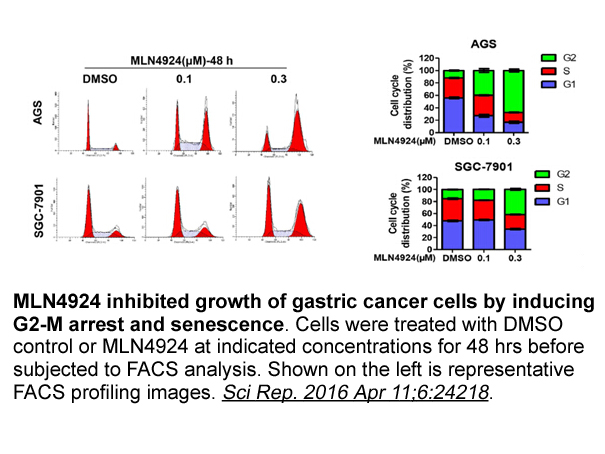
In our previous report, salivary arginase levels were found to be higher in periodontitis patients compared to healthy controls (Ozmeriç, Elgün, & Uraz, 2000). However, only one study has investigated arginase ezyme in saliva in patients with dental implants in which smokers were also included. An i
-
The elevated levels of intracellular antioxidant
2025-01-22
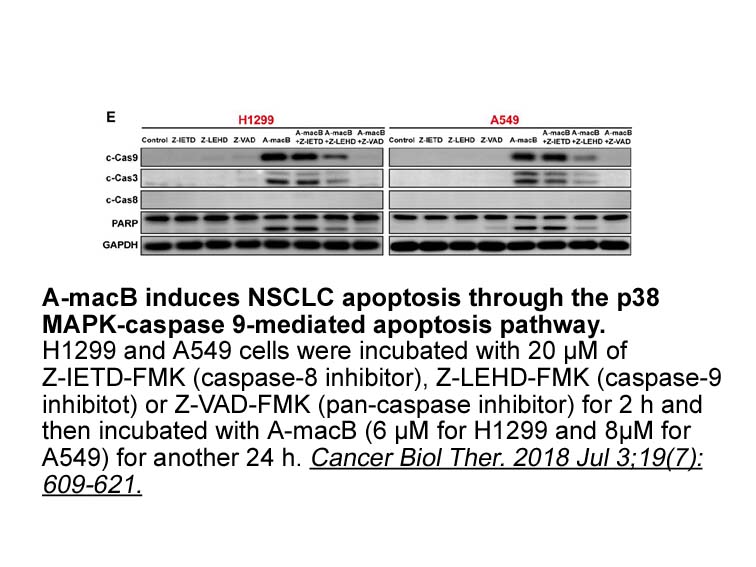
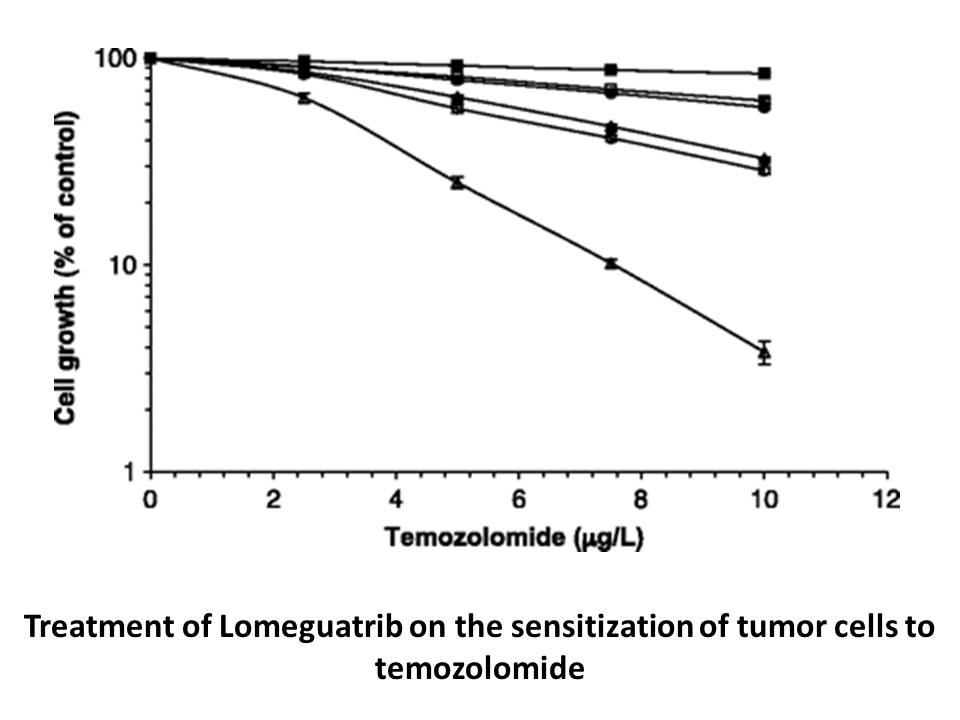
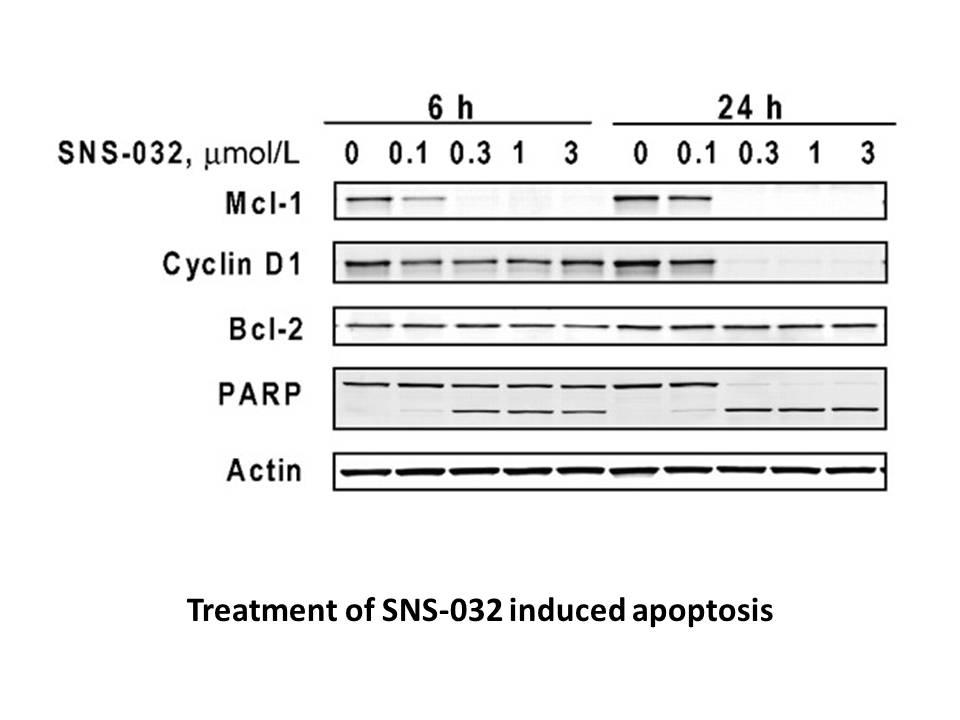
The elevated levels of intracellular antioxidant such as reduced glutathione (GSH) are normally oberserved is various tumor Sodium molybdate powder which confers the chemoresistant to chemotherapy [59]. Therefore, the induction of oxidative stress via elevation of intracellular ROS and dimunition o
-
As a neuropeptide Apelin also has a
2025-01-22

As a neuropeptide, Apelin also has a critical role in cardiovascular diseases. Systemic administration of Apelin exert vasodilatory and antihypertensive effects [33]. Meanwhile, the apelin-APJ signal transduction pathway is related to age-associated cardiovascular diseases [34]. It has been known th
-
There are several AP binding sites
2025-01-22
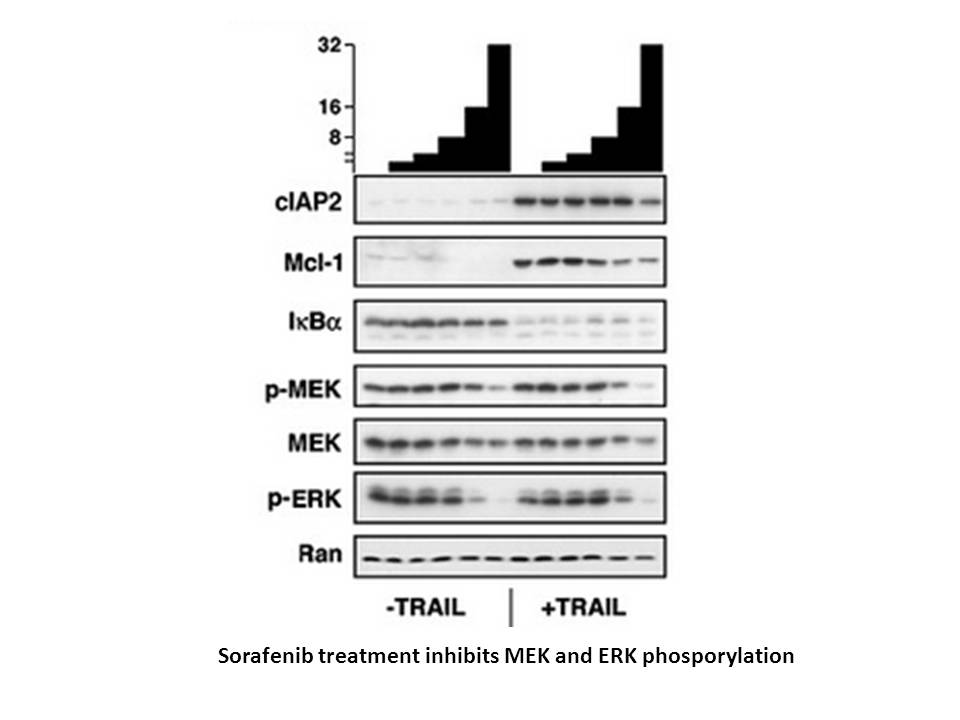
There are several AP-1 N-carbamoyl amino acid in the sequence of TIMP-1 promoter [18,19]. EBV could up-regulate TIMP-1 expression by binding to the AP-1 site in the TIMP-1 promoter [18]. IL-32, a newly multi-function cytokine, could activate AP-1, NF-κβ, p38MAPK signal pathways, and induce cytokine
-
Tropomyosi http www apexbt com media diy images
2025-01-21
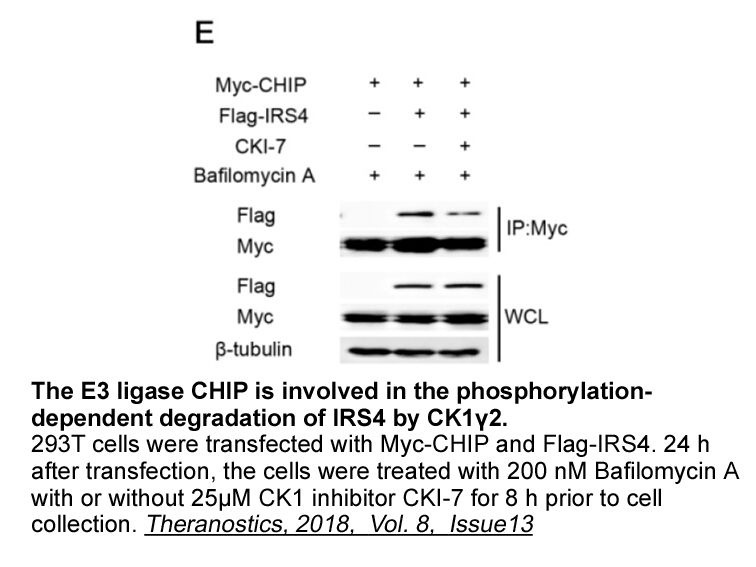
Tropomyosin-related kinases (Trks) play crucial role in neurotrophin-mediated cellular activities, including neuronal differentiation, survival, and synaptic function [37] through activating downstream signaling mediators PI3K and Akt [38]. In a therapeutic context, Akt has been shown to mediate str
-
Further examination of these vmat IR cells shows
2025-01-21
Further examination of these vmat-IR cells shows that they are also positive for vimentin (vim-IR) (Fig. 3A). However, within any one cell there may be a region of weaker vmat-IR, suggesting sub-cellular localization. As also shown in Fig. 3B and C not all vim-IR cells are vmat-IR suggesting that th
-
The extent to which GPCR
2025-01-21
The extent to which GPCR oligomerization is a regulated process still remains unclear. Reported effects of ligands on both GPCR homo- and heteromers are highly variable and depend on GPCR subtypes and the specific ligand used. According to our data, chronic treatment of mice with both paroxetine or
-
The CK catalyzes the reversible conversion of creatine
2025-01-21
The CK catalyzes the reversible conversion of creatine into creatine phosphate using ATP and thereby releasing ADP. The CK isoenzymes, specifically localized in places where there is a demand and production of energy, are linked to a creatine/creatine phosphate shuttle (Wallimann et al., 1998). This
-
br Effective therapeutic window of AR actions
2025-01-21
Effective therapeutic window of AR actions on ROP Retinal vasculature undergoes critical developmental changes postnatally: from P7 onward the superficial dopamine receptors start sprouting vertically in retina to form first the deep then the intermediated vascular plexus in the retina of C57BL/
-
The biology of the A BR
2025-01-21
The biology of the A2BR is complex and needs to be considered contextually as the expression and effect of receptor engagement varies according to time post hypoxic injury, cell type and downstream signaling pathway. For example, A2BR expression is dynamic - low under basal and increasing under isch
-
Cyanidin-3-O-glucoside chloride anti-inflammatory The potent
2025-01-21
The potential use of derivatives belonging to this series as therapeutic agents mostly depends on their pharmacokinetics and pharmacodynamics. The pharmacokinetic phase includes absorption, distribution, metabolism and excretion (ADME) of the studied compounds. Therefore, preliminary data for theore
-
Environmental toxin pathway inhibitor ADORs accomplish a var
2025-01-21
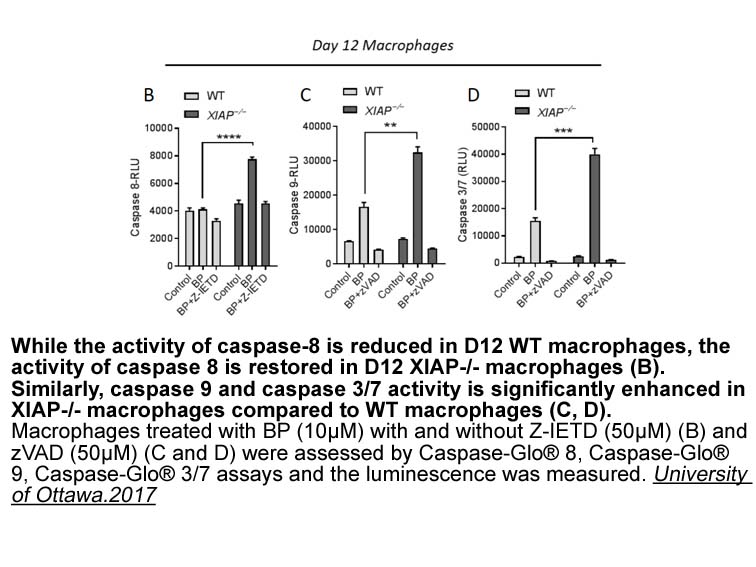
ADORs accomplish a variety of physiological effects in different tissues. In neurons, ADORs regulate the release of neurotransmitters such as dopamine and glutamate (Ferré et al., 1992; Fredholm and Dunwiddie, 1988; Ginsborg and Hirst, 1972; Gonçalves et al., 2015; Quarta et al., 2004; Stella et al.
-
In an effort to determine if one ARI was
2025-01-21

In an effort to determine if one 5ARI was more effective than the other, the Enlarged Prostate International Comparator Study (EPICS) [17] compared treatment with finasteride and dutasteride in 1630 men over the age of 50 and concluded that after one year of treatment, both groups had statistically
-
Thirdly and finally multiple studies have
2025-01-20
Thirdly and finally, multiple studies have analyzed the activation of neurons in the auditory telencephalic areas of songbirds in response to various auditory stimuli. Neuronal activation was identified by the increased expression of immediate early genes such as fos or ZENK (also know as zif-268, e
-
br Antiangiogenic therapy in non small cell lung cancer NSCL
2025-01-20
Antiangiogenic therapy in non-small cell lung cancer (NSCLC) Antiangiogenic targeted therapy is an area of active research in which numerous agents have been studied and have been shown to be effective for many tumor types including NSCLC. Angiogenesis is frequently upregulated in malignant solid
7956 records 55/531 page Previous Next First page 上5页 5152535455 下5页 Last page